


Understanding the dynamics of gambling An all-encompassing overview
The Historical Evolution of Gambling
Gambling has a rich history that spans thousands of years, tracing its roots back to ancient civilizations. Archaeological findings indicate that games of chance were played in places like China and Mesopotamia. These early forms of gambling laid the groundwork for various gaming practices that evolved over centuries. The introduction of card games in the Middle Ages and the establishment of casinos in the 17th century marked significant milestones in the development of gambling as we know it today. Today, you can explore an exciting range of games at 7 Seas Casino, which reflects the modern evolution of this practice.
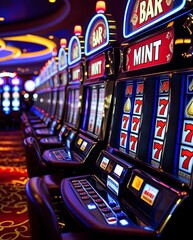
The modern era of gambling has witnessed significant transformations due to technological advancements. The rise of the internet has revolutionized the gambling landscape, leading to the emergence of online casinos and betting platforms. This shift has made gambling more accessible, allowing individuals to enjoy a wide range of games from the comfort of their homes. Understanding this historical context helps to appreciate the ongoing evolution and the cultural significance of gambling in contemporary society.
The Psychology Behind Gambling
The dynamics of gambling are deeply intertwined with psychological factors. Many gamblers are driven by a mix of excitement, thrill, and the prospect of winning. The concept of risk versus reward plays a crucial role, as players often weigh their chances of winning against the financial implications of their bets. Behavioral psychology explains why some individuals may experience a heightened sense of pleasure when gambling, often leading to repeated play even in the face of losses.
Additionally, the phenomenon of “chasing losses” is prevalent among gamblers, where individuals continue to play in hopes of recovering lost money. This can lead to problematic gambling behavior, which has garnered attention from mental health professionals. Understanding the psychological underpinnings of gambling is essential for fostering healthier attitudes and preventing gambling-related issues in society.
The Economic Impact of Gambling
Gambling has significant economic implications for countries worldwide. Legalized gambling generates substantial revenue through taxation, creating jobs and stimulating local economies. For many regions, the establishment of casinos and gaming establishments can lead to increased tourism, offering new experiences for visitors and contributing to overall economic growth.
However, the economic benefits must be weighed against potential social costs, including addiction and crime associated with gambling. Some studies indicate that areas with high concentrations of gambling establishments may experience increased rates of problem gambling and related social issues. Policymakers must navigate this complex balance to maximize the benefits of gambling while addressing its adverse effects on communities.
Regulations and Responsible Gambling Practices
The gambling industry is subject to various regulations aimed at ensuring fairness and protecting consumers. Governments have implemented laws that mandate licensing for operators, ensuring that games are fair and that players are treated ethically. These regulations also include measures to promote responsible gambling, such as self-exclusion programs and age restrictions to prevent underage gambling.
Organizations dedicated to responsible gambling work to educate players about the risks involved and promote healthy habits. Initiatives like providing resources for those struggling with gambling addiction are critical in fostering a safe gambling environment. As the industry evolves, ongoing dialogue about effective regulations and practices remains essential to protect consumers and maintain integrity in the gambling sector.

The Future of Gambling Online
As technology continues to advance, the future of gambling is increasingly shifting toward online platforms. Online casinos offer diverse gaming options, including popular slots and live dealer games, making it easier for players to engage with their favorite activities. The convenience of accessing gambling services via smartphones and tablets is reshaping how people interact with the gaming industry.
Moreover, the integration of virtual reality and blockchain technology is set to revolutionize the online gambling experience further. These innovations can enhance player engagement and security, providing a more immersive and transparent environment. As the industry adapts to these technological changes, understanding the dynamics of online gambling will become increasingly crucial for operators and consumers alike.
Postavite saučešće / zahvalu / pomen / sećanje